Waterbirds arrive in stages to southern Yukon
The first birds have arrived at Marsh Lake and other areas of open water in southern Yukon. They are here to feast on aquatic plants such as potamogeton that grow in the shallow waters of the bay. Places like McClintock Bay, Tagish Narrows, Nares Lake, Johnson’s Crossing and Shallow Bay (Lake Laberge) are staging grounds where migrating waterbirds can rest and feed on their migration journey north. This is not their final stop; they’re just refuelling.
In April in the Yukon, places for waterbirds to rest and feed are quite limited. Most of our lakes and rivers are still frozen, so they are forced to congregate in these specific locations to be able to reach food underwater. Fortunately, this presents some great viewing opportunities for us, and their gradual arrival allows beginner birders to become familiar with them before a greater diversity arrives.
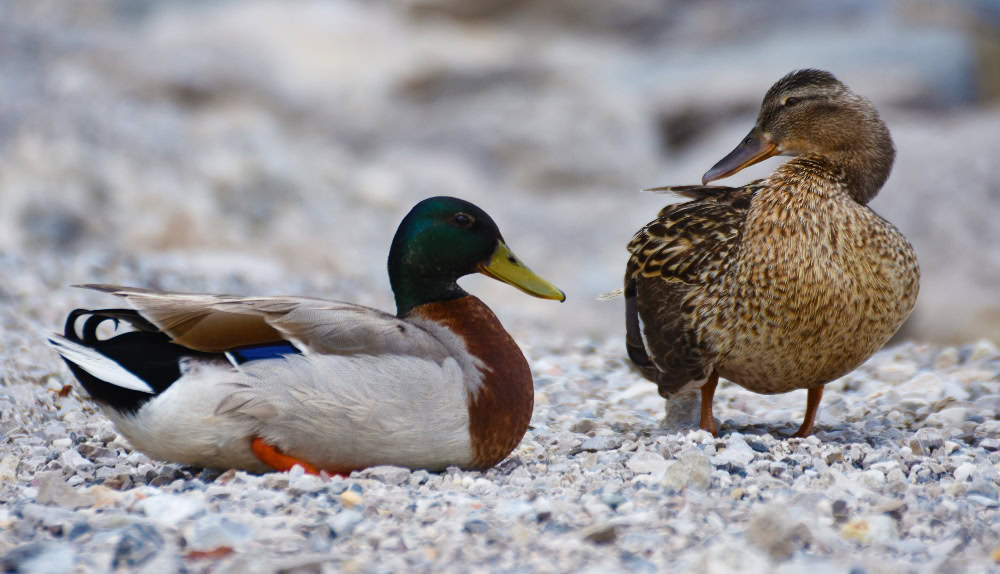
The first ducks to arrive are often mallards and goldeneyes. As one of the most common ducks to see on ponds and lakes, mallards are easily recognizable. Males have a brilliant-green head while females are a speckled brown, to help them camouflage when they are sitting on their nests and protecting their ducklings.
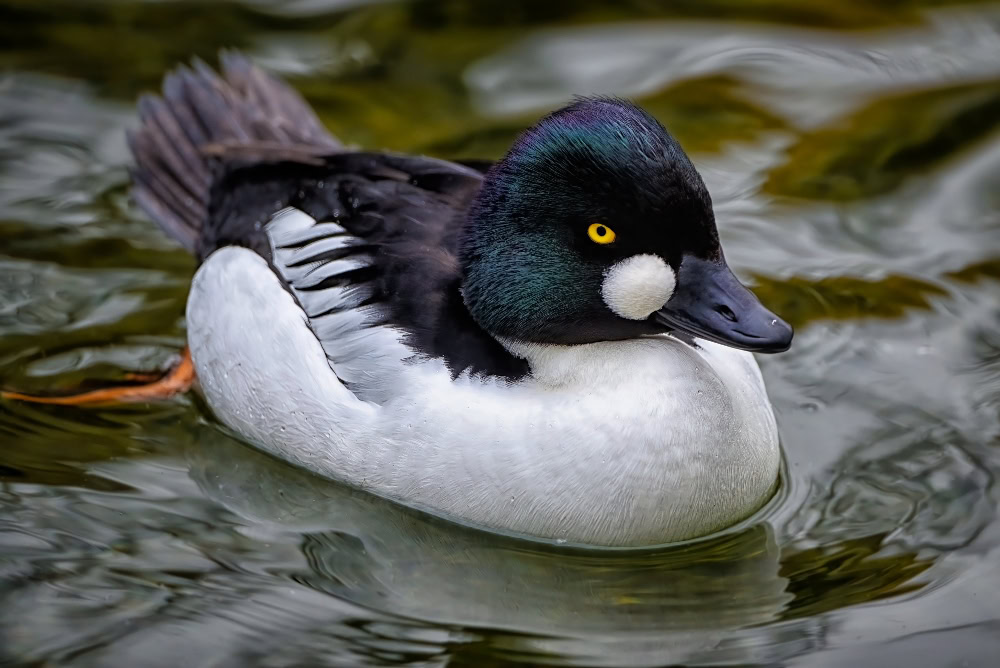
Swan Havenhttps://yukon.ca/en/outdoor-recreation-and-wildlife/wildlife-viewing/celebration-swans hosts both common and Barrow’s goldeneyes and identifying the difference is easy, but difficult to see from a distance. For males, both species have dark-green ‘iridescent’ heads (that essentially look black except in perfect light) and black and white bodies. But common goldeneyes have a white dot on their cheeks while Barrow’s goldeneyes have a white crescent on their cheeks. It’s very difficult to see without good binoculars so we often just say “goldeneyes” and gesture vaguely to the group of ducks.
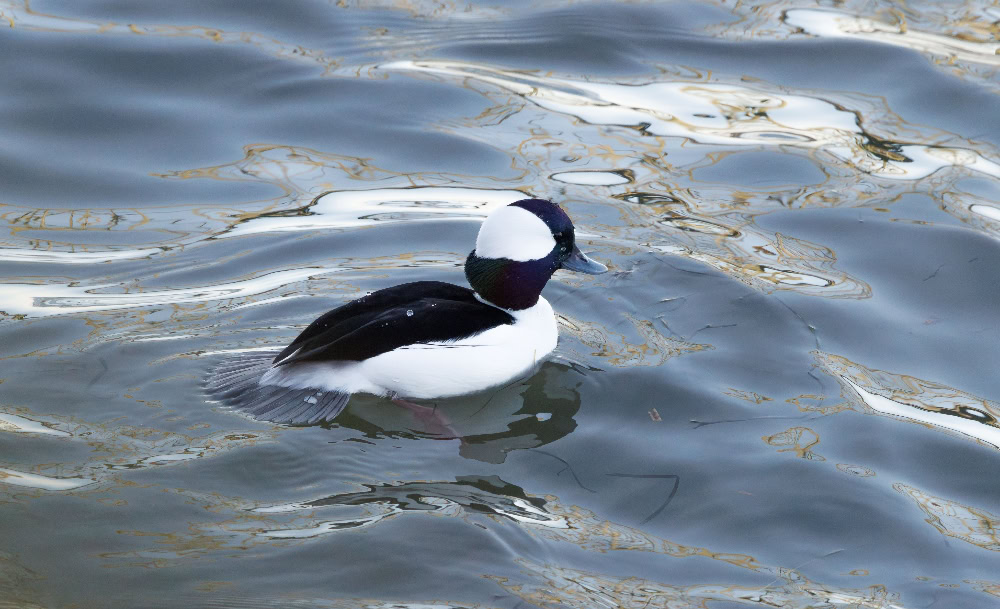
Get to know the goldeneyes first, because the buffleheads, which are also black and white, are not far behind. With similar colouring, they might be mistaken for goldeneyes, but they are much smaller and have a large white patch at the back of the head.
Northern pintails are an exciting addition to the flock as they are not black and white, and they have a distinctive long, pointy tail that makes them easier to pick out of the lineup. This is a great bird for beginners to look for—an easy win when learning to identify waterbirds.
These ducks are soon joined by common mergansers, American widgeons and Canada geese. Smaller birds often hang around their larger cousins (swans) who can reach the plants on the bottom with their long necks. Look for dabbling ducks, following swans around and picking up the leftovers stirred up by the massive swans.
The arrival of different species of ducks to the Yukon may vary, with a few strays sneaking in with other flocks. However, the first to arrive are always the trumpeter swans. They can be seen as early as mid-March in the small patch of open water at Marsh Lake, letting us know that spring and more waterbirds are on their way.
Stop by Swan Haven from April 1 to 30, weekdays from 5 p.m. to 8 p.m. and weekends from noon to 7 p.m. to see these early birds before it gets really confusing when more species arrive.