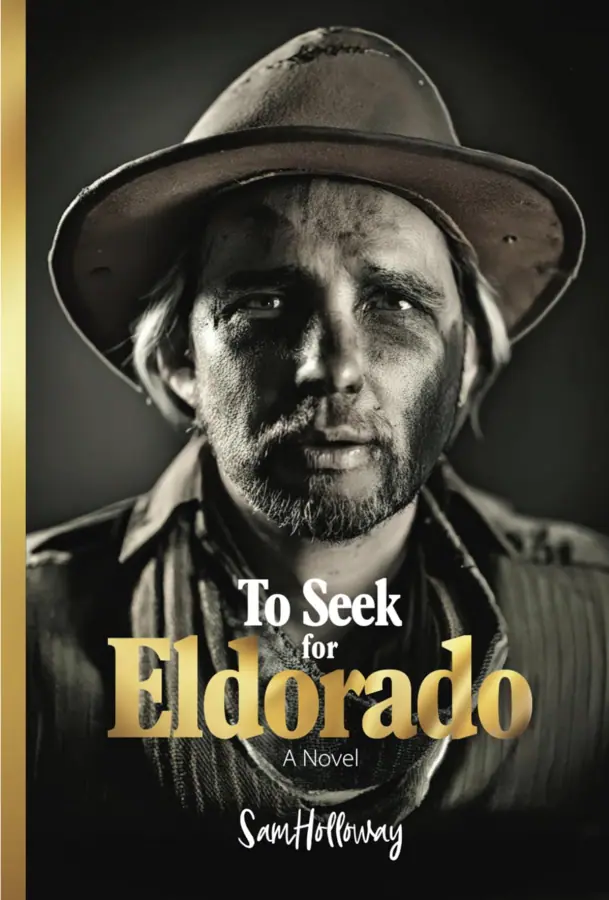
This book begins in the middle of the action so to speak; in media res, they call it. That almost always means that the author will have to back up and tell us how we got there, but this is how it starts.
“I crouched in the old truck out by the gate. Beside me, a Cooey single shot .22 rifle stood, loaded and looking awfully puny for what I might face. Lizzie’s dad would be coming with his high-powered rifle to shoot at me again. A dark cloud moved across the face of the moon, and raindrops drummed on the roof of the truck.”
The narrator is Lazlo Jar, and at this point in the narrative he is a mere teenager who has had the misfortune to fall madly in love with the daughter of a very evil Preacher Man, Harold Robinson, who mostly goes by that title.
As bad as the Preacher Man is, he’s probably not a whole lot worse than Lazlo’s father, who is clearly a waste of breathable air. That Lazlo grew up to be a decent young man is solely to the credit of his mother–though she really didn’t teach him anything about standing up to evil and overcoming it.
Lazlo and Lizzie spend as much covert time as they can together, in a touching, adolescent sort of way. But the Preacher Man has other plans for his beautiful daughter, and he leaves the area with her the day after the confrontation that led to the opening scene.
A year later, In desperation, Lazlo seeks advice from a fortune teller and gets a mixed result. He had already tried to find Lizzie and her father in Toronto and failed, but he returned there once he thought his brother was old enough to fill his shoes at home. The city was not a good place for him. He found a menial job and drowned his sorrows in booze.
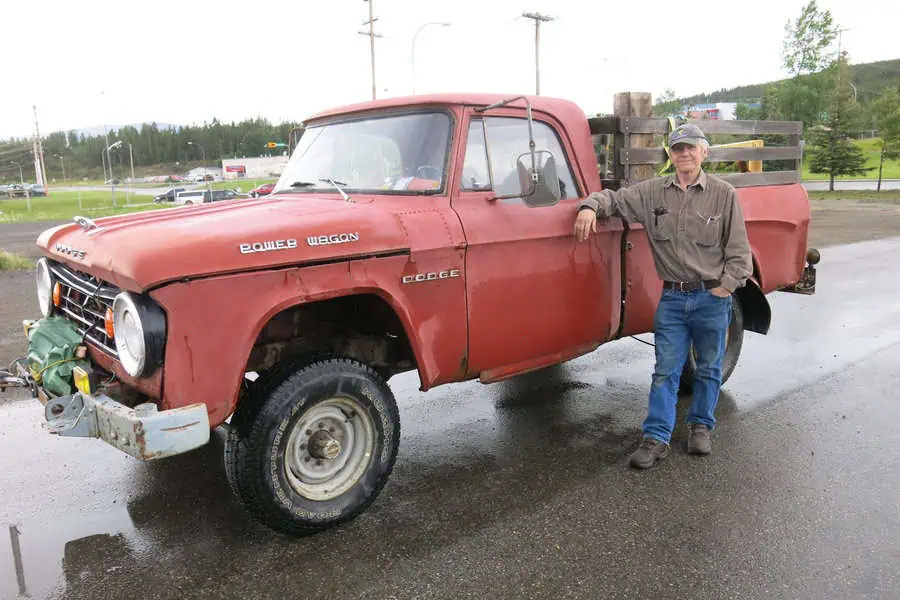
Ironically, this led to some jail time and there he found $1,400 that someone had smuggled into his cell (we’ll skip over how that might have been done) and is able to use that to restart his life, hit the road, buy an old Fargo truck and head west.
Along the way he meets an old timer, Jim Whittaker, who persuades him to join his quest for gold in the Yukon. After numerous adventures, they find a strike that finances the rest of Lazlo’s life, though a misadventure with a bear costs him his partner. By then a number of years have passed and the story has moved into the 1970s.
Lazlo has some good and bad encounters with some First Nations people and, through no fault of his own, finds himself pursued by the police for an assault on a native woman that he did not commit.
It takes some time to sort out, but the important thing is that he ends up in Dawson City, only to discover that Lizzie is there, having arrived after her father was arrested for stealing money from several churches where he had been an itinerant preacher. She had shown promise as a singer when she was young, and she makes a decent living at the Palace Grand.
The romance of the story is about how the two of them finally get back together after decades apart. This does not happen without a nasty struggle with the local big-shot miner who thinks he ought to own Lizzie, and a further struggle against her father, who turns up after he is released from prison.
Financial security does not come without another dangerous trip to the mining claim with another partner. The first time it was bears; this time it was wolves.
This story is presented to us in five segments, but it really breaks down to four: young love imperilled; hard times in the city; a search for gold; lovers reunited; and happily ever after.
Once it is clear that this is a memoir by an octogenarian, some of the tension is removed from the events, but the story is nicely told and works either in print, which I read in mid-winter, or as an audio book, which I listened to on my last solo trip to Whitehorse in late July.
Sam Holloway has spent most of his life in the far northwest or the High Arctic. Prospecting for gold, he traveled hundreds of miles, often alone, in the Yukon and Northwest Territories. He lived some of what Lazlo experiences and says writing this book was “a bit of a catharsis.”
He worked as a deckhand on the Mackenzie River towboats from Hay River to North Slope, Alaska. He was the editor of two history magazines, the Yukon Reader and then The Yukoner. The latter magazine, published by his wife, the late Dianne Green, ran to 32 issues, all of which can still be downloaded in PDF format from Yukoner.com.
He has written stories for the late, lamented Whitehorse Star as well as the Yukon News, and some of these are collected in volume one of his Collected Stories which he published in 1998.
This book is not his only attempt at fiction. There was an earlier short novel called The Bushman, and there was an eight-part serial called The Goldseeker in The Yukoner, as well as a guide to gold seeking, Yukon Gold, that originally bore the same title as this novel. He has several projects underway, and we can expect to see more from him.