Noodles to Nibbles: delicious food customs that ring in the New Year

New Year’s celebrations are vibrant with unique traditions from around the world, often centred around the joy of food. Each culture boasts its own distinctive customs, rich in symbolism and history. Let’s take a delightful exploration of the diverse New Year’s food traditions and festivities across diverse cultures.
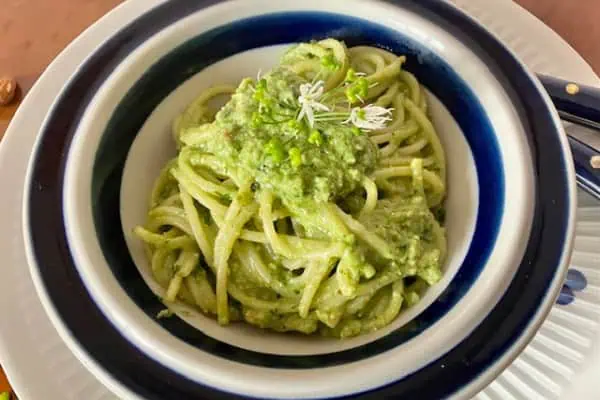
In China, the New Year is a grand affair, celebrated over a 15-day festival that culminates in the Lantern Festival. One of the most revered dishes during this time is longevity noodles, symbolizing a wish for a long life.
Traditionally served uncut – since cutting them is believed to shorten one’s lifespan – these noodles are often enjoyed alongside stir-fried dishes and fish, a powerful symbol of abundance. The word for fish, yu, resonates with the term for surplus, making it an essential part of the celebratory feast.
In Japan, the New Year, known as Shogatsu, is marked by the preparation of Osechi Ryori, a traditional meal with lots of symbolic meaning. Each dish in this beautifully-arranged spread, served in lacquer boxes called jubako, carries its own significance. For instance, black soybeans (kuromame) embody health and diligence, while herring roe (kazonoko) symbolizes fertility.
This meal is designed to last for several days, allowing families to enjoy each other’s company without the burden of cooking.
Over to Europe. Spain welcomes the New Year with an exhilarating custom known as Las Doce Uvas de la Suerte, or the Twelve Grapes of Luck. As the clock strikes midnight, revelers consume 12 – one for each chime of the clock – each grape representing good fortune for the corresponding month ahead.
This lively tradition, which dates back to the late 19th century, adds a fun touch to the New Year’s festivities.
Italy rings in the New Year with the hearty dish of cotechino, a savory sausage served alongside lentils. The lentils, resembling coins with their round shape, symbolize wealth and prosperity, making this dish a staple for those seeking good fortune in the year to come.
Families gather around the table, raising glasses of sparkling wine to toast to the future while enjoying a feast of traditional delights.
In Greece, the New Year is celebrated by the tradition of Vasilopita, a cake baked in honor of Saint Basil. A coin is hidden inside, and the lucky individual who discovers it is said to enjoy good fortune for the year ahead
This cake is shared among family and friends on New Year’s Day, reinforcing the essence of community and togetherness that is so central to the celebration.
In the Southern United States, the tradition of consuming Hoppin’ John on New Year’s Day is a cherished symbol of good luck and prosperity. This comforting dish, made of black-eyed peas, rice, and pork, is typically paired with collard greens, which represent money. The combination is believed to usher in fortune and success for the coming year, with each family often adding their unique twist to this beloved recipe.
The next day, leftover Hoppin’ John is called Skippin’ Jenny – adding some more fun to this U.S. tradition.
In Canada, New Year’s Eve is often celebrated with a wide array of culinary delights, reflecting our multiculturalism. A popular tradition is the serving of a hearty meal, often featuring a roast, which symbolizes abundance and warmth as families gather to ring in the new year.
In French-speaking regions, particularly Québec, the tradition of serving tourtière, a savoury meat pie, is common. This dish, rich in flavour and history, brings families together to enjoy a taste of heritage while celebrating new beginnings.
Additionally, many Canadians enjoy a bubbly toast with sparkling wine or champagne at midnight, sharing wishes of good fortune and happiness for the year ahead. In some households, a dessert called bûche de Noël, or yule log cake, may also make an appearance.
We cannot overlook Tim Hortons, a beloved staple for many Canadians. On New Year’s Day, it’s no different: countless Canadians flock to the drive-thru to grab their favourite coffee before heading off to the skating rink or visiting loved ones.
The culinary traditions of New Year’s celebrations are as diverse as the cultures they come from, each reflecting the aspirations and beliefs of its people.
From the symbolism of longevity in Chinese noodles to the promise of prosperity in Southern Hoppin’ John, and the coffee gatherings in Canada, these delightful customs not only tantalize the taste buds but also embody hope, abundance, and the exhilarating prospect of new beginnings as a fresh year unfolds.