Hygiene device, old-fashioned, or en vogue?


Bidets have been around since the late 17th to early 18th century. Thought to have been invented in France, early versions of this device were essentially stools with a bowl of water set inside with which you could wash your rectum and genitals. With the advent of modern plumbing, the bidet would advance to become the porcelain throne that it is today
in places like Europe, though they were not as common in Western culture in the United States and Canada.
Asia, on the other hand, saw a rise in the popularity of bidets, with the introduction of high-tech electric toilets. As well as bidets, some of these fancy devices included night lights, seat warmers, blow dryers and could even clean themselves. This meant that the bidet would no longer be just an additional sink-like seat but that it would also be available in various shapes, sizes and be in different locations in bathrooms. In particular, this meant that toilets (or toilet seats) could now function as a bidet as well.
At the beginning of the 21st century, bidets began to rise in popularity again in the western world. New technology, as well as variations of the bidet, included ones that required little to no space or major plumbing adjustments and made them more accessible for homes. But how many are there in the Yukon?
Home Hardware sells a handheld bidet that attaches to a toilet’s water supply. On average, they sell one or two of these a month. Canadian Tire also sells multiple bidet systems in-store and for order, as do other home stores and plumbing shops in Whitehorse. So there is supply and demand for the device in the Yukon, and this is without considering online retailers. That being said, some of the plumbing companies in the territory report that it’s rare for them to do bidet fittings. This, however, could be because many systems are easily installed and don’t require a specialist.
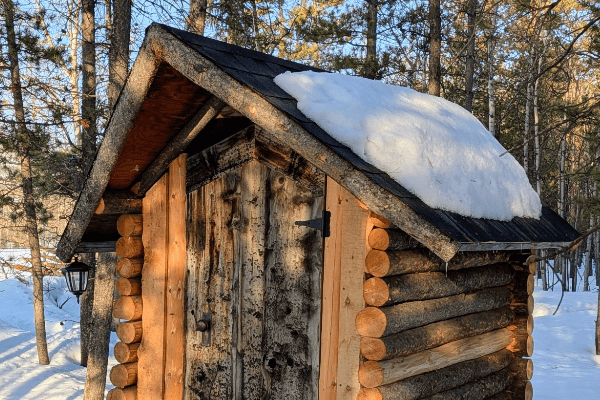
The numbers show that it is slowly becoming more common in the territory for homeowners to buy and install bidets. There are even houses in remote areas that boast more than one bidet, powered through water from nearby creeks.
One homeowner (Jeff) bought a fancy electric toilet seat online, with a built-in bidet that sprays heated water. This required some plumbing, as well as electrical work due to the lack of outlets in the bathroom, but Jeff believes it was a worthwhile investment. In particular, claims that “the heated seat is an awesome feature,” which could only possibly be a good thing after the winter we had!
But why are more people getting bidets, and why now? During the Covid pandemic, bidet sales rose as people worried about dwindling supplies of toilet paper. As pandemic panic faded, the trend stuck. This, coupled with our society becoming more conscientious about our effect on the environment, has meant that more people have looked to the bidet as an ecologically-friendly alternative to using just toilet paper. This doesn’t just save on paper use but, surprisingly, on water use as well. The gallons of water used in the production of toilet paper are substantially higher than the amount of water used, collectively, by bidets.
Not only is this helping the environment, it’s helping many households to save money too. As well as the bidet saving money by using less toilet paper, it also means they’re less likely to run into common and costly plumbing issues caused from gradual toilet-paper buildup.
The last major reason why many people switch to a bidet is for the health benefits. As well as being more effective than using toilet paper, it reduces the likelihood of our hands coming into contact with fecal matter and spreading bacteria. In particular, this can help prevent urinary tract infections (UTIs). It also provides a more comfortable cleaning experience after surgery to the surrounding area or in cases of haemorrhoids or arthritis. Certain high-pressure models can be used to soften stool or ease constipation, and some models even have a specific enema setting to this end.
To sum up, the bidet still isn’t a common appliance in the Yukon but its use is on the rise and it could potentially be seen in most homes, with plumbing or water access, across the territory over the next few years.
Whether for financial, environmental or health benefits, the bidet is definitely a worthy addition to our daily toileting experience.